How it works

On your back
The lower contour edge slides under your neck; the center dip cradles your head. Your spine stays in its natural line.

On your side
The higher edge fills the gap between shoulder and ear, so your neck doesn't bend down into the mattress.

Cool where it touches
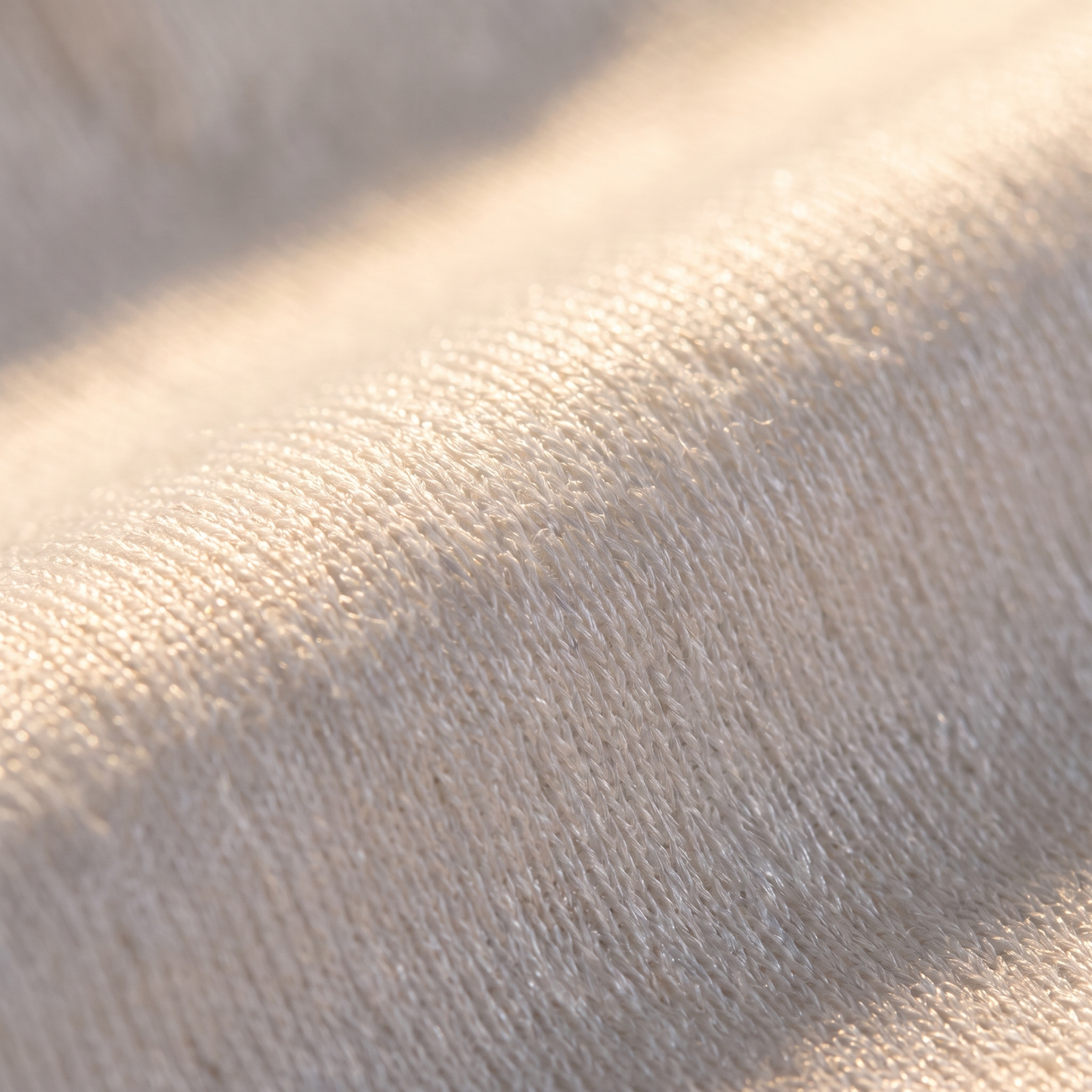
The ice-silk knit pulls heat away on contact — the side of your face stays on the cool side of the pillow.

Cool where it counts
A contoured memory-foam core holds your neck; the ice silk cover stays cool against your skin. Support and temperature, solved in one piece.
Getting it right
Let it wake up
Out of the box, give the foam a few hours to expand to its full contour before the first night.
Find your edge
The lower edge of the contour is for back sleeping; the higher edge supports your neck on your side. The dip in the middle cradles your head either way.
Give it a few nights
If you've slept on soft flat pillows for years, proper alignment feels unfamiliar at first. Most people settle in within a few nights — that's the adjustment, not a fault.
Keep it fresh
Wash the ice-silk cover cold on gentle. Spot-clean the foam core only, and let it air-dry fully.
The difference is felt
"Cooling" is claimed on everything. Here is what it means here.
| Ice silk (this) | Regular polyester | Cotton | |
|---|---|---|---|
| Touch | Cool on contact | Neutral, then warm | Neutral |
| Heat | Pulls it away | Traps it | Holds some |
| Honesty | A cooling synthetic, named as one | Often sold as "silk" | — |
In the room


More from the house
-
Mulberry Silk Pillowcase
Normaler Preis Von €68,95 EURNormaler Preis -
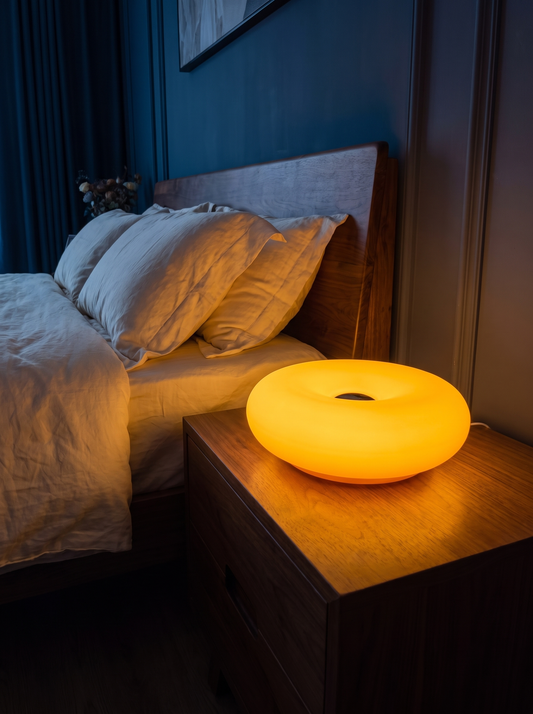
Bauhaus Table Lamp
Normaler Preis €81,95 EURNormaler Preis -
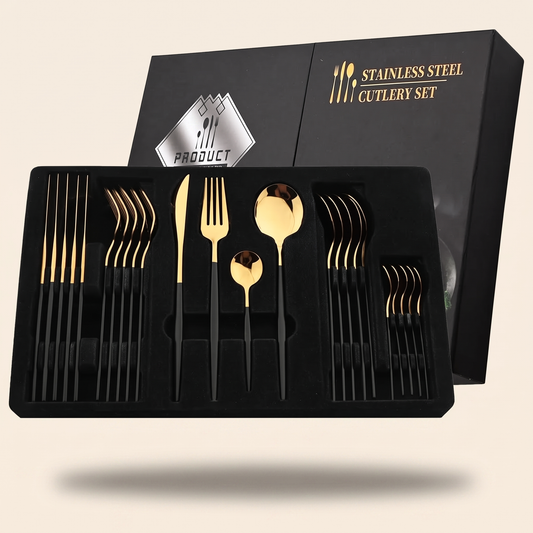
Stainless Cutlery Set — 24 Pieces
Normaler Preis Von €94,95 EURNormaler Preis -
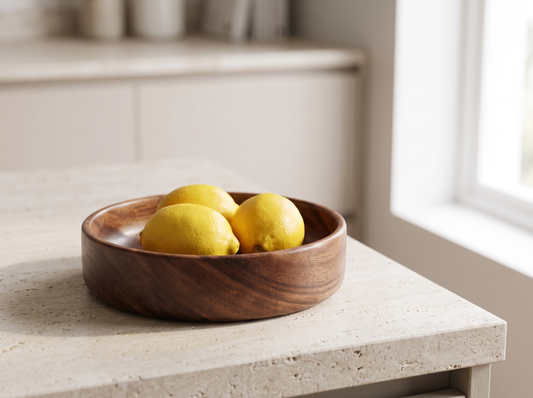
Walnut Serving Bowl
Normaler Preis Von €34,95 EURNormaler Preis